




How To Choose An Indoor Hockey Stick (And How It Differs From Outdoor)
The indoor season is nearly here (hello, warm and dry sports halls), and one of the first questions we get asked is whether you really need a separate stick for it. The short answer is yes, if you're playing indoor hockey properly. Here's why, and how to pick the right one.
New to the indoor game altogether? Have a read of our guide to indoor hockey: the basics first.
Can you use your outdoor stick indoors?
You can for a kickabout, but it isn't ideal, and most indoor leagues expect you to use an indoor stick, so check with your club. Indoors the ball can only be pushed, with no hitting or slapping, so you don't need all the power an outdoor stick is built for. An outdoor stick feels heavy and clumsy on a fast indoor floor, and you'll quickly notice the difference when you're trying to keep the ball close against the boards.
How is an indoor stick different?
- It's much thinner. Because you can't hit the ball indoors, indoor sticks have a slim head and shaft, which makes close control and quick hands much easier.
- It's lighter. Less material means a lighter stick that you can move quickly around the ball.
- It has less carbon. Stiffness is all about hitting power, which you don't need indoors. Many indoor sticks are wood or fibreglass, and even the carbon ones tend to sit well below what you'd use outdoors.
Wood or composite?

Wooden indoor sticks are still really popular because they give a soft, forgiving touch. The Kookaburra Indoor Inferno is wood with fibreglass rovings for strength, a mid bow and a Pro Contact grip, and it's one of the cheapest ways into indoor hockey. Y1's wooden IL.W2 is a step up, with a low bow and a lightweight, responsive feel.
Composite sticks add a bit of carbon for a crisper feel. The Y1 IL.C15 and IM.C15 are 15% carbon, which Y1 describe as enough for real performance while staying soft and forgiving. Neither wood nor composite is "better", it comes down to feel and budget.
How much carbon do you need indoors?
Less than you think. Even Y1's top indoor sticks, the IL.C50 and IM.C50, are 50% carbon, and Osaka's FutureLab Pro Bow 10 Indoor is 10% carbon with an aluminised Textreme top layer. A very stiff stick makes receiving harder on a quick floor, so most club players are best with a low to mid carbon indoor stick.
Which bow should you use indoors?

Y1 make it easy: IL means indoor low bow and IM means indoor mid bow. A mid bow keeps the ball close and suits players who want control, which is most of the indoor game. A low bow helps when you lift the ball, and indoors that only happens when you're shooting at goal. If you already know which bow suits you outdoors, the indoor version of the same shape is a sensible place to start. Our hockey stick bow guide explains the main shapes.
What length indoor stick do I need?
Most players stick with the same length they use outdoors. Some like to go a touch shorter so they can stay low, but that's personal preference. Our stick size guide is a good starting point.
What else do you need for indoor hockey?
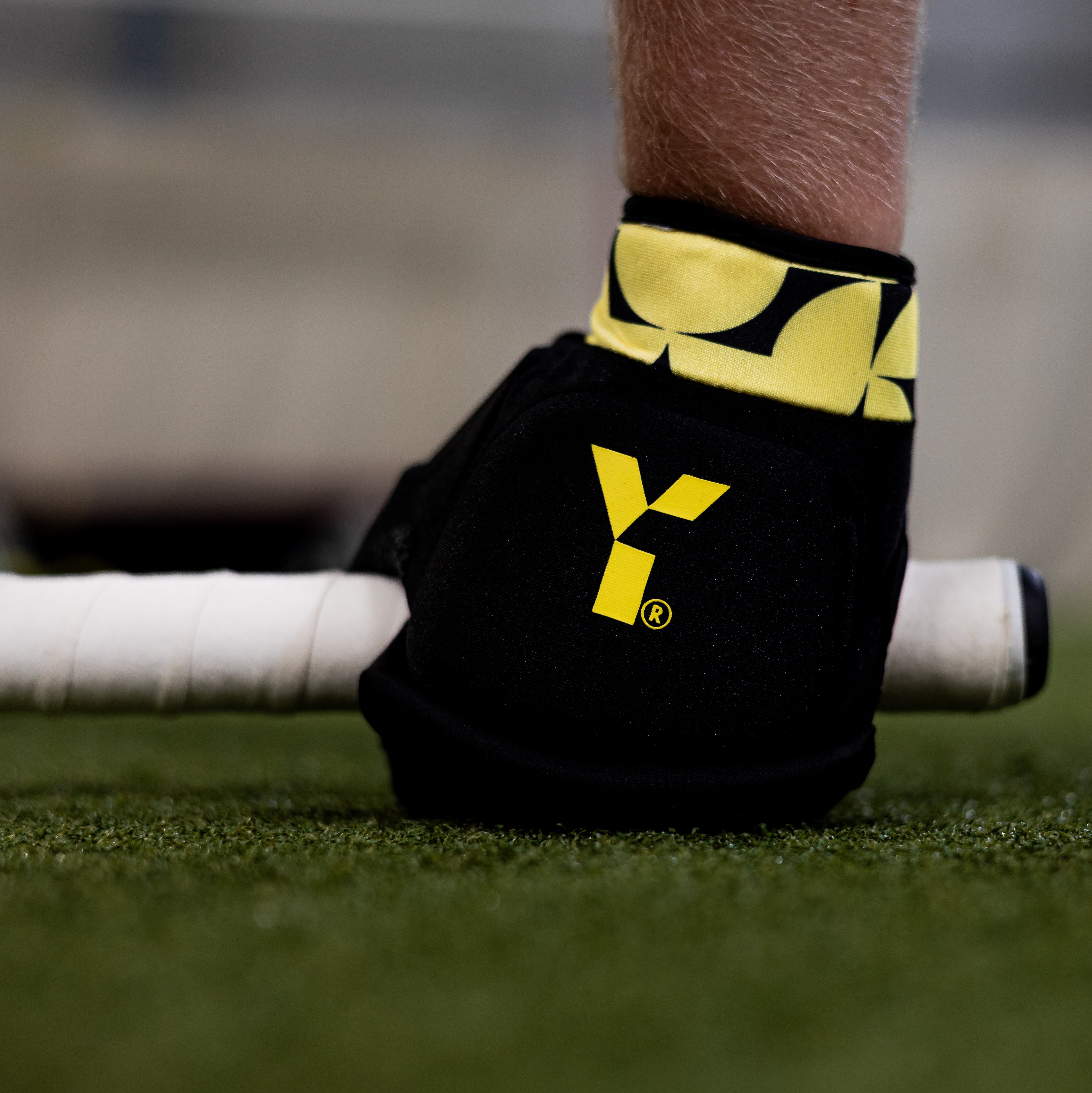
- A left-hand glove. Your left hand spends a lot of time on the floor indoors, so a big, well-padded left glove is a good idea. See our hockey gloves.
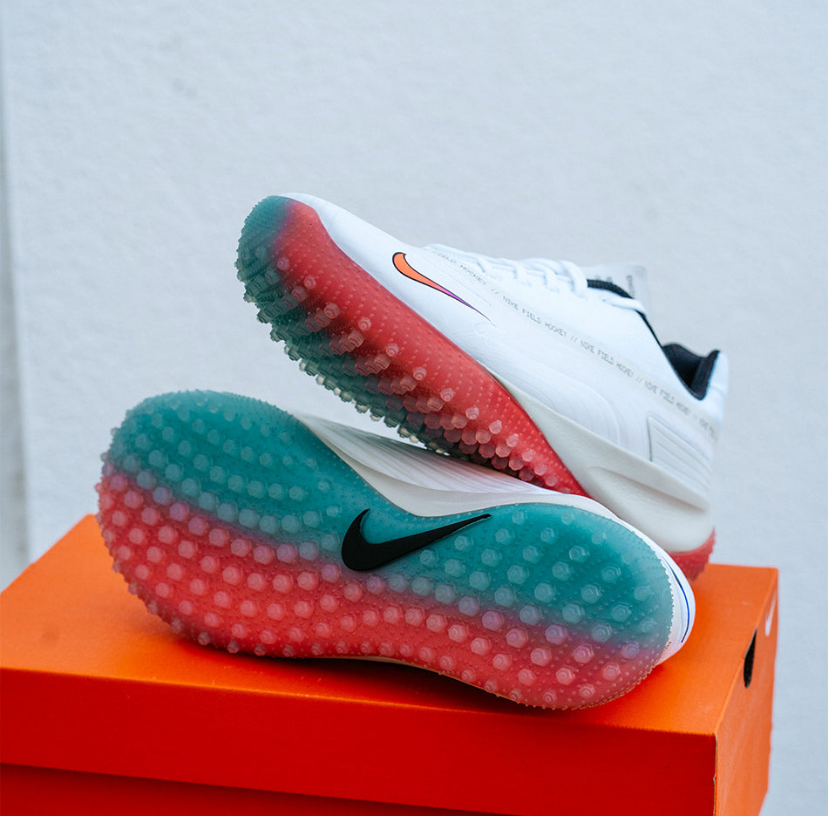
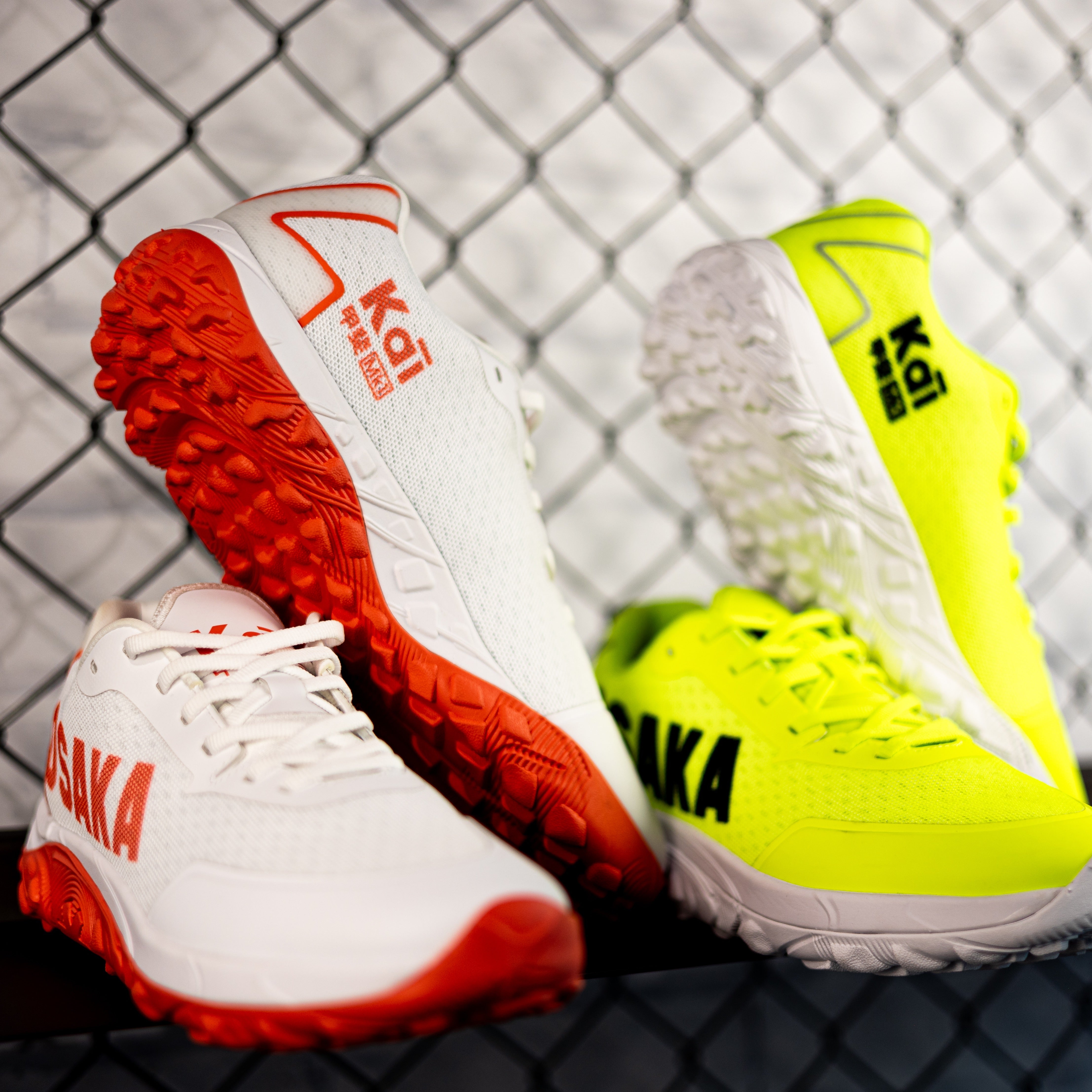
- Non-marking court shoes. Your astro shoes won't be welcome in the sports hall.
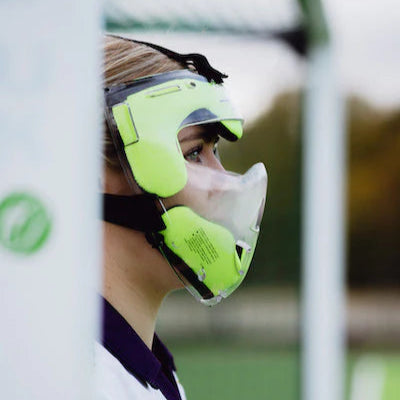
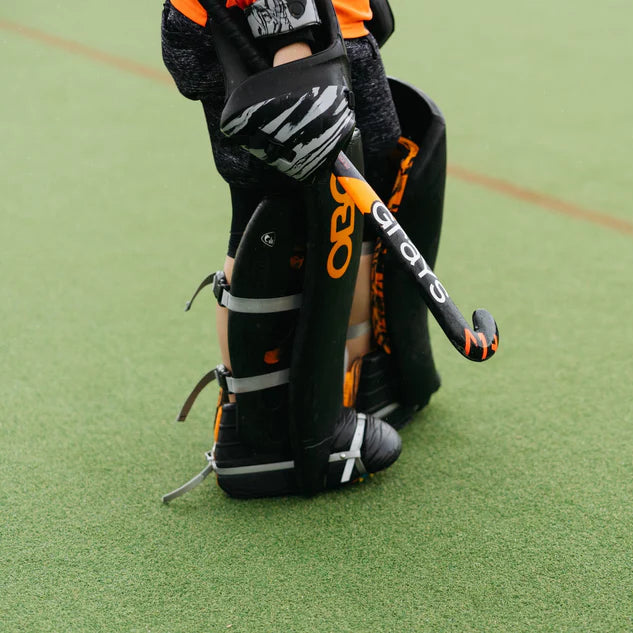
- The usual protection. A gum shield and shin pads are a must, and a face mask is a good idea for penalty corners, as the distance to goal is much shorter indoors.
Can I use an indoor stick outdoors?
We wouldn't. Indoor sticks aren't built for hitting or for outdoor pitches, and they're far more likely to break.
Still not sure?
Give us a call on 0191 447 4744, drop us a message on live chat or pop into the shop and we'll help you find the right one. Ready to buy? Browse our indoor hockey sticks.